

.jpg)
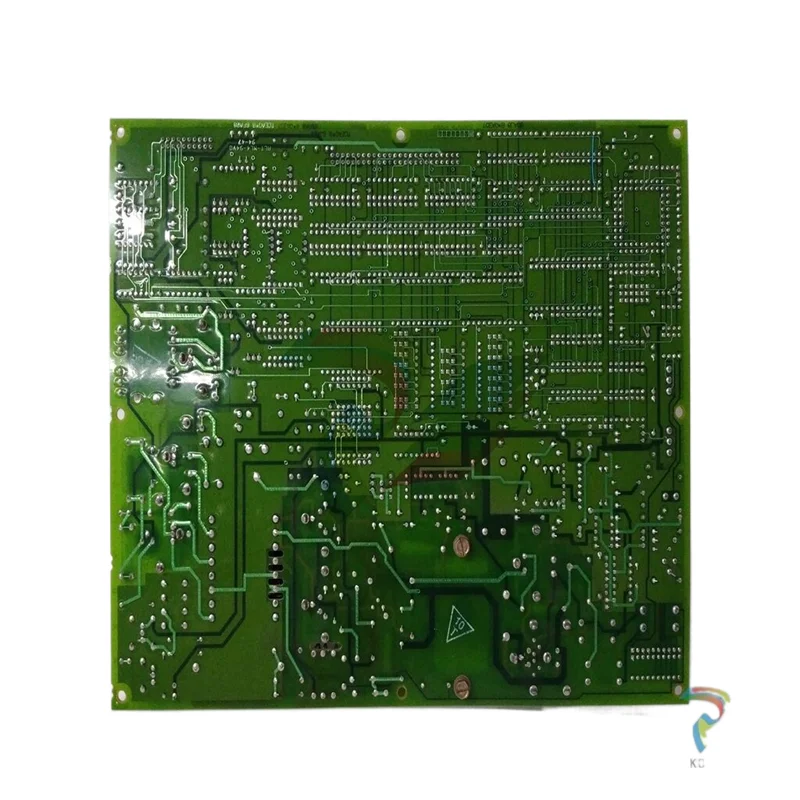

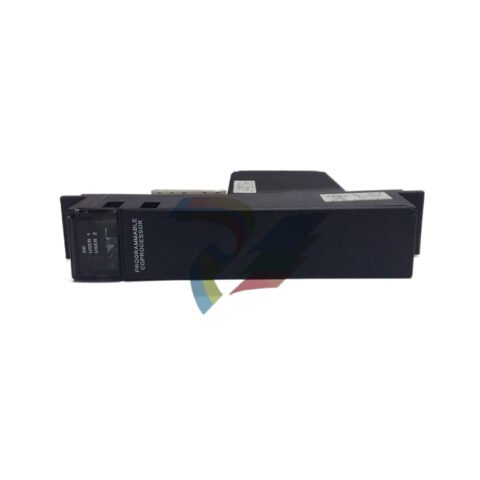
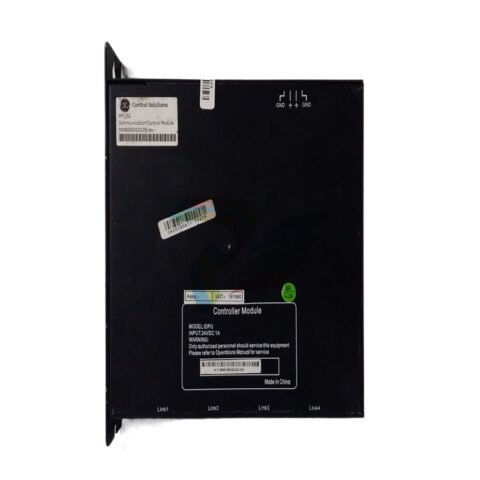
GE FANUC PV622IS Precision Pneumatic Pressure Station
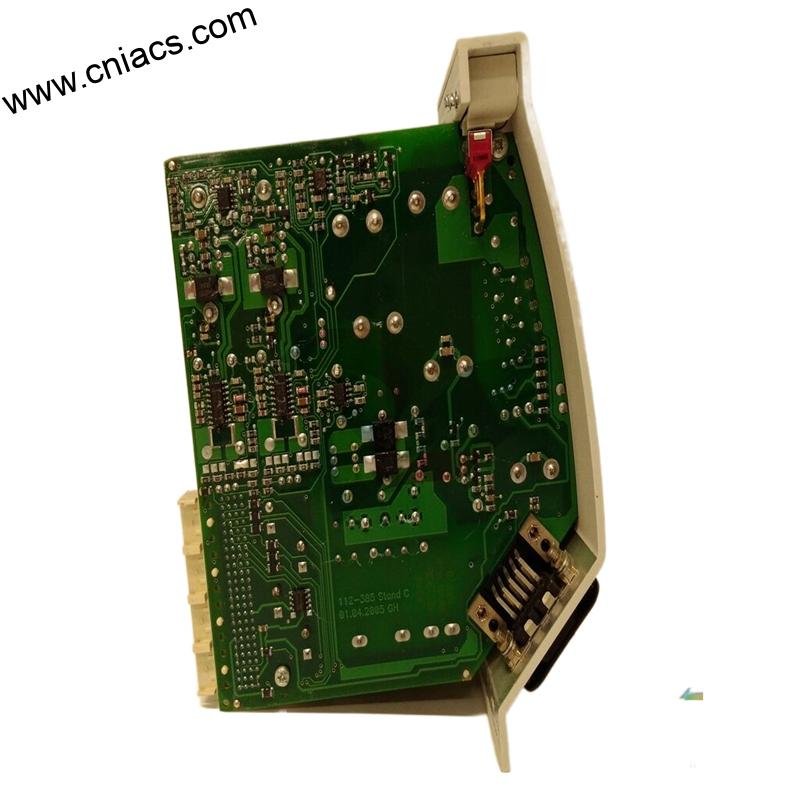
Introducing the GE FANUC – a pinnacle of innovation in industrial automation. Known for its robust performance and reliability, the GE FANUC series is designed to meet the demands of modern manufacturing environments. With a rich legacy within GE’s extensive portfolio, this model integrates seamlessly into various applications, elevating operational efficiency and productivity.
**Key Technical Features**
The GE FANUC stands out with its advanced technical specifications that cater to diverse industrial needs. Key features include:
1. **High Processing Power**: Equipped with a powerful CPU, the GE FANUC ensures rapid data processing and real-time control, crucial for applications requiring immediate feedback and precision.
2. **Flexible I/O Options**: The model supports a wide range of input and output modules, enabling customization to suit specific automation tasks. This versatility is essential for manufacturers who need to adapt quickly to changing production requirements.
3. **Robust Communication Protocols**: The GE FANUC supports multiple communication protocols, including Ethernet/IP, Modbus, and Profibus, facilitating seamless integration with other GE automation products and third-party devices.
4. **Scalability**: With a modular architecture, users can easily expand their systems. The GE FANUC allows for the addition of new components without major overhauls, making it an adaptable solution for growing businesses.
5. **Enhanced Reliability**: Designed for industrial environments, the GE FANUC is built to withstand harsh conditions, including extreme temperatures and vibrations. This durability helps reduce downtime and maintenance costs.
6. **User-Friendly Interface**: The intuitive programming environment simplifies the setup and maintenance process. Users, whether experienced or new to automation, can navigate the system with ease, enhancing overall productivity.
7. **Advanced Diagnostics and Monitoring**: The system includes built-in diagnostic tools that provide real-time insights into system performance, enabling proactive maintenance and minimizing unexpected failures.
**Usage Scenarios**
The GE FANUC is ideal for a variety of industries and applications. Here are a few scenarios where this model excels:
1. **Manufacturing**: In assembly lines, the GE FANUC can control robotic arms, conveyor systems, and quality control processes, ensuring precision and efficiency.
2. **Energy Management**: The model is adept at monitoring and controlling energy consumption in facilities, making it a valuable asset for sustainability initiatives.
3. **Process Control**: In chemical plants or food processing, the GE FANUC manages complex processes, ensuring that every step is executed flawlessly to maintain product quality.
4. **Transportation and Logistics**: The system can optimize supply chain operations by tracking inventory levels, managing shipping schedules, and controlling automated guided vehicles (AGVs).
5. **Water and Waste Management**: The GE FANUC plays a critical role in monitoring and controlling water treatment facilities, ensuring compliance with environmental regulations.
**Comparison with Other Models**
When compared to other models within the GE family, such as the GE SR750 or GE IS200DSPXH2DBD, the GE FANUC offers a unique blend of speed and flexibility. While the GE SR750 is renowned for its high-speed processing capabilities, it may not provide the same extensive I/O options as the GE FANUC. On the other hand, the GE IS200DSPXH2DBD is excellent for specific digital signal processing tasks but lacks the modularity and scalability inherent in the GE FANUC.
In contrast to the GE IC693APU301, which is primarily focused on analog control, the GE FANUC’s versatility allows it to handle both digital and analog signals effectively, making it a more comprehensive solution for diverse applications. Additionally, the GE IC695CPE310-ABAH, while powerful, might not offer the same level of user-friendly features found in the GE FANUC, potentially leading to longer setup times.
**Related Models**
For those exploring options within the GE automation products ecosystem, the following models are worth considering:
1. **GE SR750**: Known for its high-speed processing tailored to demanding applications.
2. **GE IS200DSPXH2DBD**: Ideal for digital signal processing but with limited scalability.
3. **GE IC693APU301**: Focused on analog control, great for specific tasks but less versatile than GE FANUC.
4. **GE IC695CPE310-ABAH**: A powerful alternative with advanced features but may require more setup time.
5. **GE IS200EDFFH1ABA**: Excellent for specific control tasks in industrial settings.
6. **GE DS200DDTBG2A**: A reliable option for digital control but less flexible than the GE FANUC.
7. **GE IS220PPDAH1A**: Focused on process control, with a solid performance record.
8. **GE IC660BBA020**: Known for its robust build and reliability in harsh conditions.
9. **GE VMIVME-7671-421000**: Offers modular capabilities but may not match the processing power of the GE FANUC.
10. **GE IC200CPU005**: A cost-effective solution for smaller applications with basic automation needs.
**Conclusion**
The GE FANUC is a premium choice for businesses looking to enhance their automation capabilities. With its high processing power, flexible I/O options, and robust communication protocols, it stands out in the GE automation products lineup. Whether you’re in manufacturing, energy management, or process control, the GE FANUC is designed to adapt and grow with your business needs, ensuring you remain competitive in an ever-evolving landscape. Explore the possibilities with GE FANUC and take your automation solutions to the next level.
The above parameters are for reference only. Please contact our technical team for precise selection.
**Key Technical Features**
The GE FANUC stands out with its advanced technical specifications that cater to diverse industrial needs. Key features include:
1. **High Processing Power**: Equipped with a powerful CPU, the GE FANUC ensures rapid data processing and real-time control, crucial for applications requiring immediate feedback and precision.
2. **Flexible I/O Options**: The model supports a wide range of input and output modules, enabling customization to suit specific automation tasks. This versatility is essential for manufacturers who need to adapt quickly to changing production requirements.
3. **Robust Communication Protocols**: The GE FANUC supports multiple communication protocols, including Ethernet/IP, Modbus, and Profibus, facilitating seamless integration with other GE automation products and third-party devices.
4. **Scalability**: With a modular architecture, users can easily expand their systems. The GE FANUC allows for the addition of new components without major overhauls, making it an adaptable solution for growing businesses.
5. **Enhanced Reliability**: Designed for industrial environments, the GE FANUC is built to withstand harsh conditions, including extreme temperatures and vibrations. This durability helps reduce downtime and maintenance costs.
6. **User-Friendly Interface**: The intuitive programming environment simplifies the setup and maintenance process. Users, whether experienced or new to automation, can navigate the system with ease, enhancing overall productivity.
7. **Advanced Diagnostics and Monitoring**: The system includes built-in diagnostic tools that provide real-time insights into system performance, enabling proactive maintenance and minimizing unexpected failures.
**Usage Scenarios**
The GE FANUC is ideal for a variety of industries and applications. Here are a few scenarios where this model excels:
1. **Manufacturing**: In assembly lines, the GE FANUC can control robotic arms, conveyor systems, and quality control processes, ensuring precision and efficiency.
2. **Energy Management**: The model is adept at monitoring and controlling energy consumption in facilities, making it a valuable asset for sustainability initiatives.
3. **Process Control**: In chemical plants or food processing, the GE FANUC manages complex processes, ensuring that every step is executed flawlessly to maintain product quality.
4. **Transportation and Logistics**: The system can optimize supply chain operations by tracking inventory levels, managing shipping schedules, and controlling automated guided vehicles (AGVs).
5. **Water and Waste Management**: The GE FANUC plays a critical role in monitoring and controlling water treatment facilities, ensuring compliance with environmental regulations.
**Comparison with Other Models**
When compared to other models within the GE family, such as the GE SR750 or GE IS200DSPXH2DBD, the GE FANUC offers a unique blend of speed and flexibility. While the GE SR750 is renowned for its high-speed processing capabilities, it may not provide the same extensive I/O options as the GE FANUC. On the other hand, the GE IS200DSPXH2DBD is excellent for specific digital signal processing tasks but lacks the modularity and scalability inherent in the GE FANUC.
In contrast to the GE IC693APU301, which is primarily focused on analog control, the GE FANUC’s versatility allows it to handle both digital and analog signals effectively, making it a more comprehensive solution for diverse applications. Additionally, the GE IC695CPE310-ABAH, while powerful, might not offer the same level of user-friendly features found in the GE FANUC, potentially leading to longer setup times.
**Related Models**
For those exploring options within the GE automation products ecosystem, the following models are worth considering:
1. **GE SR750**: Known for its high-speed processing tailored to demanding applications.
2. **GE IS200DSPXH2DBD**: Ideal for digital signal processing but with limited scalability.
3. **GE IC693APU301**: Focused on analog control, great for specific tasks but less versatile than GE FANUC.
4. **GE IC695CPE310-ABAH**: A powerful alternative with advanced features but may require more setup time.
5. **GE IS200EDFFH1ABA**: Excellent for specific control tasks in industrial settings.
6. **GE DS200DDTBG2A**: A reliable option for digital control but less flexible than the GE FANUC.
7. **GE IS220PPDAH1A**: Focused on process control, with a solid performance record.
8. **GE IC660BBA020**: Known for its robust build and reliability in harsh conditions.
9. **GE VMIVME-7671-421000**: Offers modular capabilities but may not match the processing power of the GE FANUC.
10. **GE IC200CPU005**: A cost-effective solution for smaller applications with basic automation needs.
**Conclusion**
The GE FANUC is a premium choice for businesses looking to enhance their automation capabilities. With its high processing power, flexible I/O options, and robust communication protocols, it stands out in the GE automation products lineup. Whether you’re in manufacturing, energy management, or process control, the GE FANUC is designed to adapt and grow with your business needs, ensuring you remain competitive in an ever-evolving landscape. Explore the possibilities with GE FANUC and take your automation solutions to the next level.
The above parameters are for reference only. Please contact our technical team for precise selection.



There are no reviews yet.